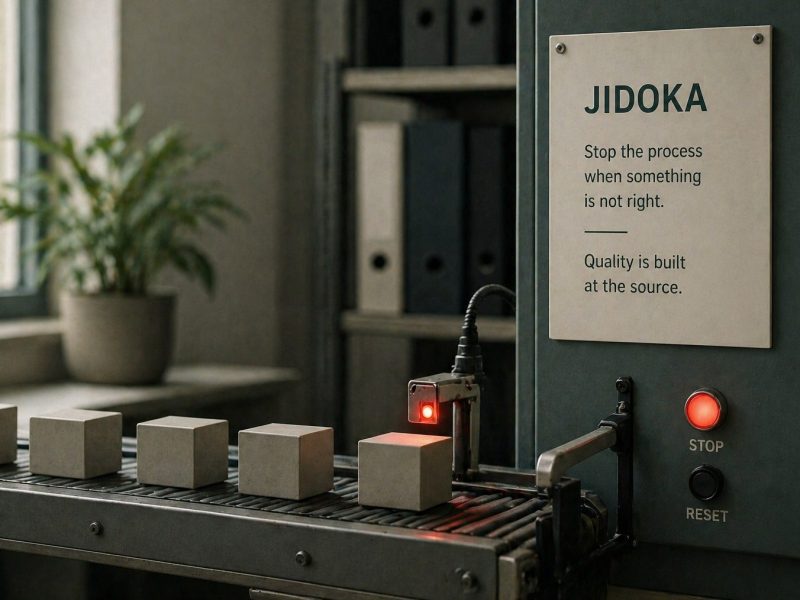
“Building people before building cars” is not just a catchy phrase; it’s the foundational philosophy that has driven Toyota to become one of the most successful and revered companies globally. This ethos, championed by chairman Fujio Cho, is predicated on the belief that a company’s strength lies in its culture and its people. A culture that is nurtured over years, where values and beliefs are widely shared and lived, not just declared, forms the bedrock of sustained organizational success. This post delves into how companies can cultivate a people-first culture, emphasizing cross-functional teamwork and the creative potential of diverse teams.
The Foundation of a People-First Culture
At the heart of Toyota’s people-first culture is respect for people. This principle guides everything from leadership decisions to daily interactions among team members. It’s about creating a workplace where every employee feels valued, heard, and empowered to contribute.
Key Components:
- Respect and Empathy: Understanding and valuing each individual’s role and contributions.
- Continuous Improvement (Kaizen): Empowering everyone to contribute to ongoing improvement.
- Teamwork and Collaboration: Fostering a collaborative environment where teams work across functions to solve problems.
Fostering a Strong and Stable Culture
Creating a culture that endures and thrives requires more than just stating values; it necessitates a consistent, daily commitment to living those values. It involves:
- Leadership by Example: Leaders must embody the organization’s values, setting a standard for others to follow.
- Open Communication: Creating channels for open, transparent communication where feedback is valued and acted upon.
- Recognition and Empowerment: Recognizing and celebrating contributions while providing opportunities for growth and development.
The Power of Cross-Functional Teams
Cross-functional teams, composed of members with diverse backgrounds and expertise, are critical in fostering innovation and solving complex problems. These teams leverage a wide range of perspectives, leading to more creative solutions and a deeper understanding of challenges.
Benefits of Cross-Functional Teams:
- Enhanced Problem-Solving: Diverse perspectives lead to more innovative solutions.
- Increased Agility: Teams can adapt more quickly to changing environments or challenges.
- Better Communication: Cross-functional collaboration breaks down silos, improving overall organizational communication.
Leveraging Creative Potential
A people-first culture recognizes that every individual possesses unique talents and perspectives that can contribute to the organization’s success. Leveraging this creative potential involves:
- Encouraging Innovation: Creating a safe space for experimentation and failure as a pathway to discovery.
- Diversity and Inclusion: Valuing diverse backgrounds and experiences as a source of strength and innovation.
- Empowerment and Autonomy: Giving individuals the freedom to explore new ideas and take ownership of projects.
Building Teams for the Future
Developing a people-first culture is an ongoing journey, one that requires continuous effort and commitment. As teams become more cross-functional and diverse, organizations can harness the collective creativity and potential of their people to solve problems and innovate.
Strategies for Success:
- Invest in Development: Providing continuous learning opportunities to develop skills and knowledge.
- Foster a Culture of Trust: Building trust within teams encourages open dialogue and collaboration.
- Celebrate Success and Learn from Failure: Recognizing achievements and viewing failures as learning opportunities.
Building a people-first culture, as exemplified by Toyota, is about much more than productivity and efficiency; it’s about creating an environment where every individual feels respected, valued, and empowered to contribute. By fostering a culture that prioritizes respect, empathy, and continuous improvement, organizations can unleash the full potential of their teams. Cross-functional collaboration and the celebration of diverse perspectives further enhance this potential, leading to innovative solutions and a competitive edge. In the end, a people-first culture is not just good for the employees; it’s essential for building resilient, successful organizations that are prepared to meet the challenges of the future.