Project management within Lean initiatives presents unique challenges and opportunities. The essence of Lean—maximizing value while minimizing waste—applies not only to production processes but also to the way projects are managed. This comprehensive guide explores the critical aspects of practicing project management in Lean projects, from initiation to closure, emphasizing continuous improvement and effective collaboration.
Establishing a Project Timeline
Setting clear timelines is the first step in ensuring project success. A well-defined timeline sets the pace for the project and helps align team efforts.
Strategies for Effective Timeline Management:
- Define Milestones: Establish key milestones to provide checkpoints for progress and adjustments.
- Use Timeboxing: Allocate fixed time periods for tasks to promote focus and efficiency.
Planning the Work by Breaking It into Tasks
Break down the project into manageable tasks. This simplification makes it easier to allocate resources, assign responsibilities, and track progress.
Task Breakdown Techniques:
- Work Breakdown Structure (WBS): Use WBS to decompose the project into smaller components.
- Agile User Stories: For software projects, breaking down tasks into user stories can help focus on delivering value.
Working Effectively with a Team
Lean projects require cohesive team efforts. Effective collaboration and clear communication are paramount.
Enhancing Team Collaboration:
- Regular Check-ins: Hold daily or weekly meetings to update on progress and address challenges.
- Empower Team Members: Encourage autonomy and decision-making within the team.
Monitoring Progress Against the Plan
Keeping a close eye on progress ensures that the project stays on track and deviations are corrected timely.
Progress Monitoring Tools:
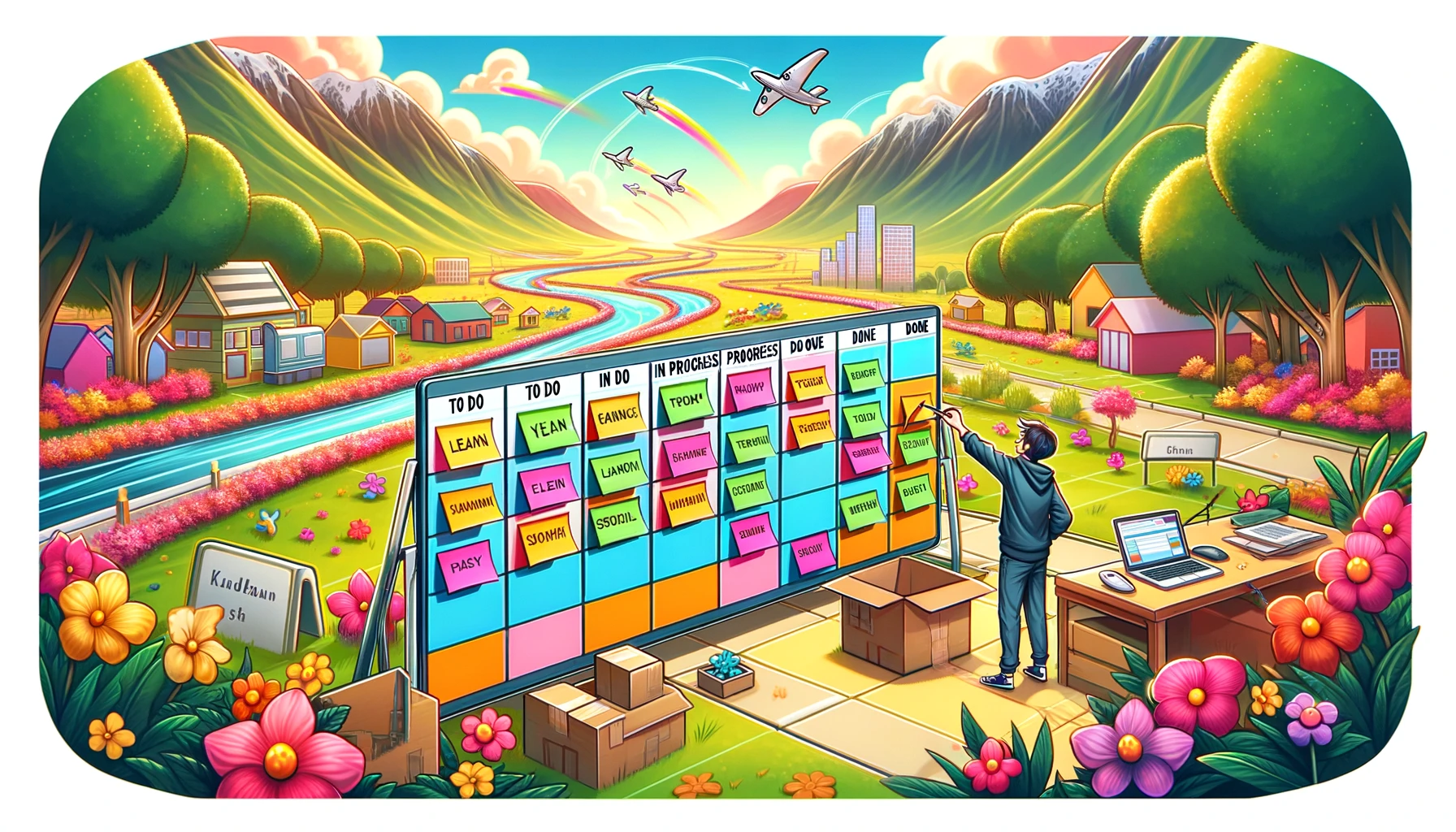
- Kanban Boards: Visualize task progress and identify bottlenecks.
- Gantt Charts: Track planned vs. actual progress over time.
Managing the Scope
Scope management is critical to prevent project creep and ensure that the project remains aligned with objectives.
Scope Management Strategies:
- Change Control Process: Implement a formal process for managing scope changes.
- Stakeholder Engagement: Keep stakeholders informed and involved to manage expectations.
Reporting Benefits
Demonstrating the value delivered by the project is essential for stakeholder satisfaction and project justification.
Benefit Reporting Methods:
- Quantify Achievements: Use metrics and data to report on the benefits realized.
- Showcase Improvements: Highlight process improvements and efficiencies gained.
Applying Governance to the Project
Effective governance ensures that the project aligns with organizational goals and complies with relevant standards.
Governance Practices:
- Steering Committees: Establish committees to oversee project direction and alignment.
- Compliance Checks: Regularly review project practices for compliance with internal and external standards.
Identifying and Sharing Lessons Learned
Learning from each project is vital for continuous improvement. Identifying and sharing lessons learned can enhance future project outcomes.
Capturing Lessons Learned:
- Post-Project Reviews: Conduct reviews to discuss what went well and what could be improved.
- Knowledge Sharing: Share insights and lessons across the organization to foster a culture of learning.
Practicing project management in Lean projects is a dynamic and continuous effort that requires adaptability, clear communication, and a steadfast focus on value delivery. By establishing clear timelines, planning work effectively, fostering team collaboration, monitoring progress, managing scope, reporting benefits, applying governance, and learning from each project, organizations can enhance their Lean project outcomes. This holistic approach not only drives project success but also contributes to the broader organizational culture of efficiency and continuous improvement.