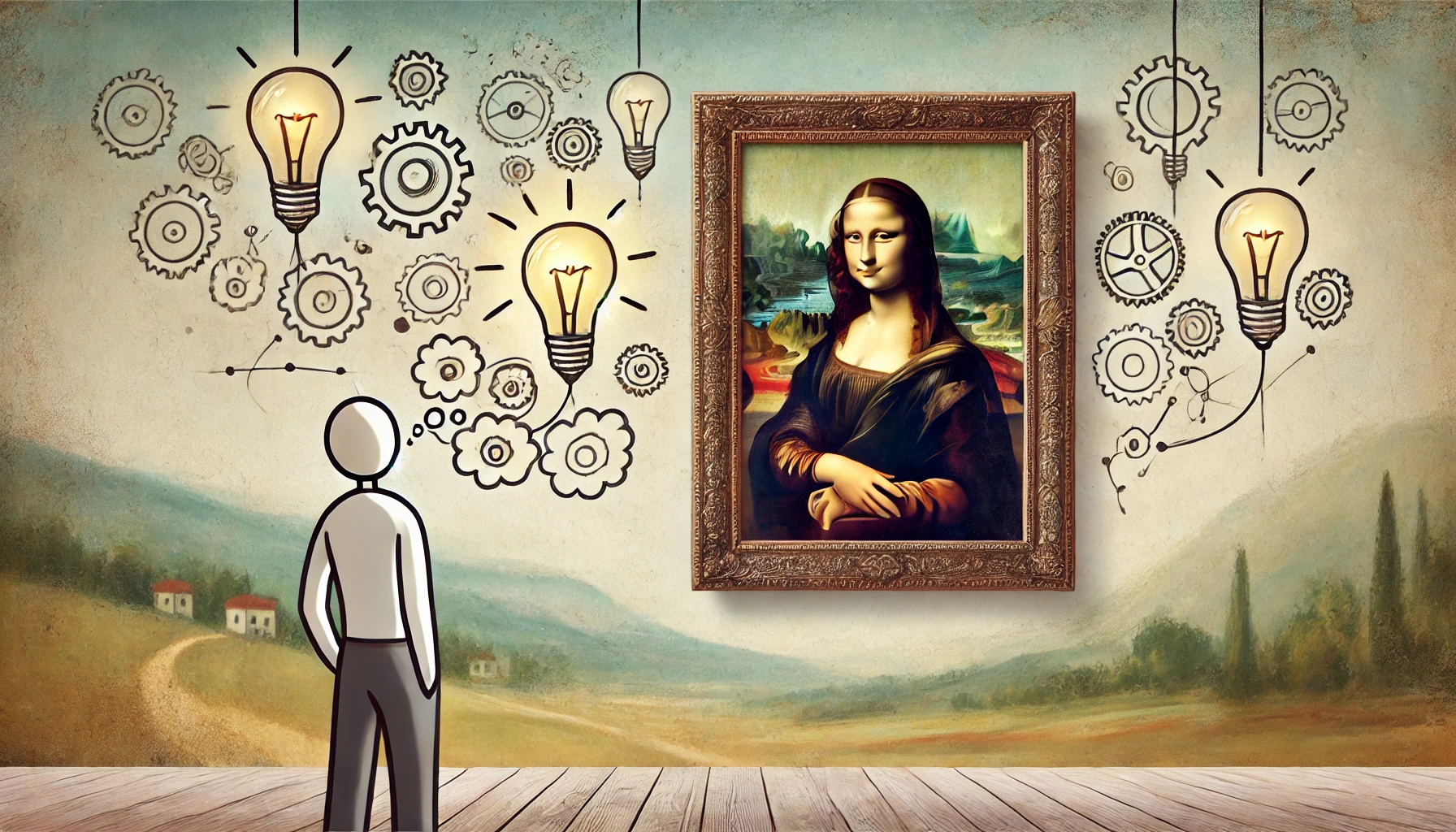
We all face moments when finding a solution to a problem or coming up with creative ideas feels like an uphill battle. Whether you’re dealing with a personal challenge, trying to solve a problem at work, or simply feeling creatively blocked, sometimes all you need is a new perspective. One effective way to break through these barriers is by using random words and pictures as triggers to spark fresh ideas and new ways of thinking.
The Power of Words and Pictures in Personal Growth
Words and pictures have the ability to evoke emotions, memories, and associations that can help unlock new ways of thinking. By deliberately using these triggers, you can shift your perspective, allowing you to approach problems from different angles and discover solutions you might not have considered.
Why Use Random Words or Pictures?
- Breaks Routine Thinking: Introducing random elements can disrupt your usual thought patterns, helping you think outside the box.
- Engages Your Senses: Words and pictures engage different senses, which can stimulate your brain and lead to creative breakthroughs.
- Encourages New Connections: This method encourages lateral thinking, where solutions emerge from unexpected connections between ideas.
How to Use Words and Pictures to Overcome Creative Blockages
Step 1: Choose a Word or Picture
- Selecting Words: Pick a word at random from a book, a magazine, or even a conversation. Choose a word that is concrete, like a noun or a verb, rather than abstract. Words with positive associations are often more effective for sparking ideas.
- Example: If the word is “sunrise,” it might evoke thoughts of new beginnings, hope, and energy.
- Selecting Pictures: Find a picture from a magazine, online, or in your photo collection. The image should be simple yet evocative, encouraging a range of associations.
- Example: A picture of a mountain might make you think of challenges, strength, and achievement.
Step 2: Brainstorm Associations
Once you have your word or picture, spend some time thinking about all the associations it brings to mind. Don’t limit yourself—let your imagination run wild.
- Use All Your Senses: Think about how the word or image looks, feels, smells, sounds, and even tastes. Engaging your senses can lead to more diverse and creative associations.
- Example: For the word “sunrise,” you might list warmth, light, awakening, birds singing, and a fresh start.
- Write It Down: List all your associations on a piece of paper or in a journal. Seeing them in front of you can help you connect ideas in new ways.
Step 3: Connect Associations to Your Problem
Now that you have a list of associations, think about how they might relate to the problem you’re trying to solve or the creative blockage you’re experiencing.
- Triggering New Ideas: Use these associations as a springboard for new ideas. For example, if you’re stuck on how to start a project, the word “sunrise” might inspire you to begin with something fresh and new, focusing on the most energizing aspect of the task.
- Exploring Connections: Don’t be afraid to explore both obvious and abstract connections. Sometimes the most surprising associations lead to the most innovative solutions.
Step 4: Develop and Refine Your Ideas
As ideas start to flow, take time to develop and refine them. This process involves thinking critically about how these ideas might work in practice.
- Don’t Dismiss Anything: At this stage, all ideas are valuable. Even if something seems far-fetched, consider how it might be adapted or combined with other ideas.
- Reflect and Discuss: If possible, talk through your ideas with a trusted friend or write them down in more detail. This helps solidify the concepts and can lead to further insights.
Step 5: Implement and Test Your Ideas
Once you have a solid idea or solution, the next step is to put it into action.
- Take Small Steps: Start by implementing your idea in small, manageable steps. This allows you to test it and make adjustments as needed.
- Reflect on the Outcome: After trying out your idea, take some time to reflect on the results. What worked? What didn’t? Use these reflections to continue refining your approach.
Examples of Using Words and Pictures in Personal Development
- Overcoming Writer’s Block: A writer struggling with a new story might use the word “ocean” to brainstorm associations like vastness, depth, and mystery. These ideas could inspire a plot twist or a new character.
- Finding Motivation: Someone feeling unmotivated might look at a picture of a marathon runner. The associations with perseverance, discipline, and achievement could spark new strategies for tackling their goals.
Advanced Techniques for Personal Creativity
To further enhance your creative process, consider integrating these advanced techniques with word and picture associations:
Mind Mapping
- Visual Connections: Use mind mapping to connect the associations from your word or picture to different aspects of your life or problem. This can help you see relationships between ideas that aren’t immediately obvious.
Storytelling
- Narrative Development: Create a story around the word or picture, imagining how it could play out in your life. This can help you visualize solutions and make them feel more tangible.
Journaling
- Daily Reflection: Incorporate word or picture association exercises into your daily journaling routine. This regular practice can keep your creativity flowing and help you continuously generate new ideas.
Conclusion
Using words and pictures as triggers for overcoming creative blockages and finding solutions is a powerful technique that can unlock new ways of thinking. By engaging your senses and making connections between seemingly unrelated concepts, you can break through mental barriers and discover innovative solutions to your personal challenges. Whether you’re trying to solve a problem, spark creativity, or simply gain a new perspective, this approach can help you tap into your full potential and achieve greater personal growth.