Why Good People Keep Making the Same Mistakes
When the same mistake happens again and again, we often start looking at the person.
The first time, we accept it. Everyone makes mistakes. The second time, we may explain the task again. But after the third or fourth time, we start to wonder. Is the person careless? Did they forget the training? Are they simply not paying enough attention?
Sometimes the problem is the person. People are responsible for the quality of their work. But when capable people who care about their work keep making the same type of mistake, it is worth looking at the process too. A repeated mistake can tell us something about how the work is designed.
Imagine a simple task with one exception. Most of the time, the process follows the same steps. But in one situation, a step must be done differently. The exception may be written in a procedure or explained during training. The employee knows about it.
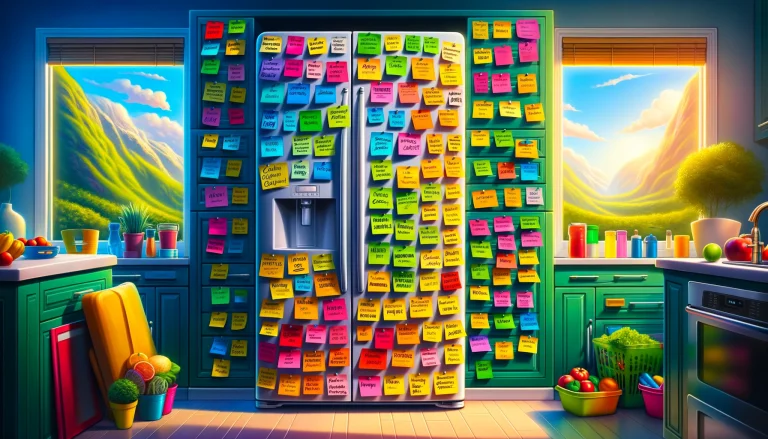
Still, they have to remember it at exactly the right moment. We can remind them. We can explain the rule again. We can ask them to be more careful next time. This may work for a while, but the process itself has not changed. It still depends on someone remembering the exception.
That is a weak point. People get busy. They are interrupted. They work with several systems and deal with many small decisions during the day. If the process depends too much on memory and attention, mistakes will happen even when people know what they should do.
This is also why more training does not always solve the problem. Training helps when someone does not know how to do the work. But what if the person already knows? What if several experienced people make the same mistake? In that case, explaining the task one more time may not change much.
I have seen this happen in many forms. An error appears, someone receives more instructions, and the problem is considered solved. There is now an action in the action plan, so everyone can move on.
But the reason the mistake happened may still be there. Perhaps two fields in a system look almost the same. Information may need to be copied by hand from one system to another. A handover may depend on someone remembering to send an email. There may be two versions of the same document. Or the procedure may be so difficult to use that people prefer to work from memory.
None of these problems looks very serious on its own. Most of the work may still be completed correctly because experienced people know where the risks are. They check important cases twice. They remind colleagues about exceptions. They know which information is often missing and where to look for it.
So the process seems to work. In reality, people may be doing extra work to keep it working. Then one day somebody misses a check and makes a mistake. We see the error because it is visible. We do not always see all the extra checking and remembering that prevented the same error on the previous hundred occasions.
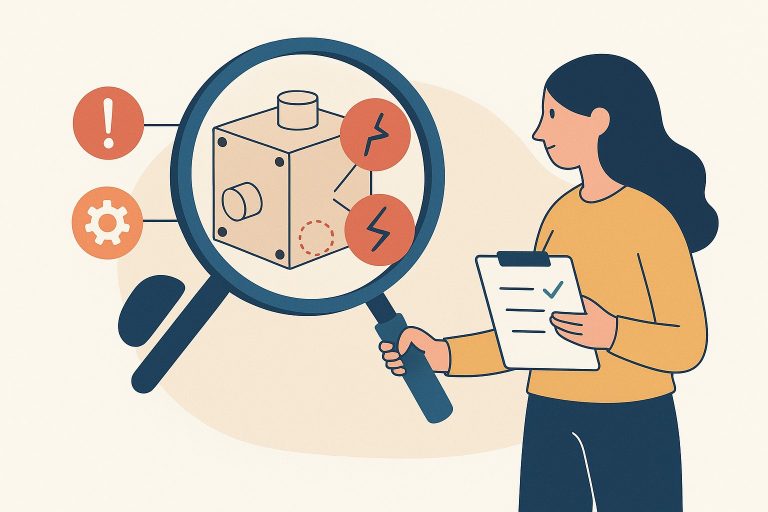
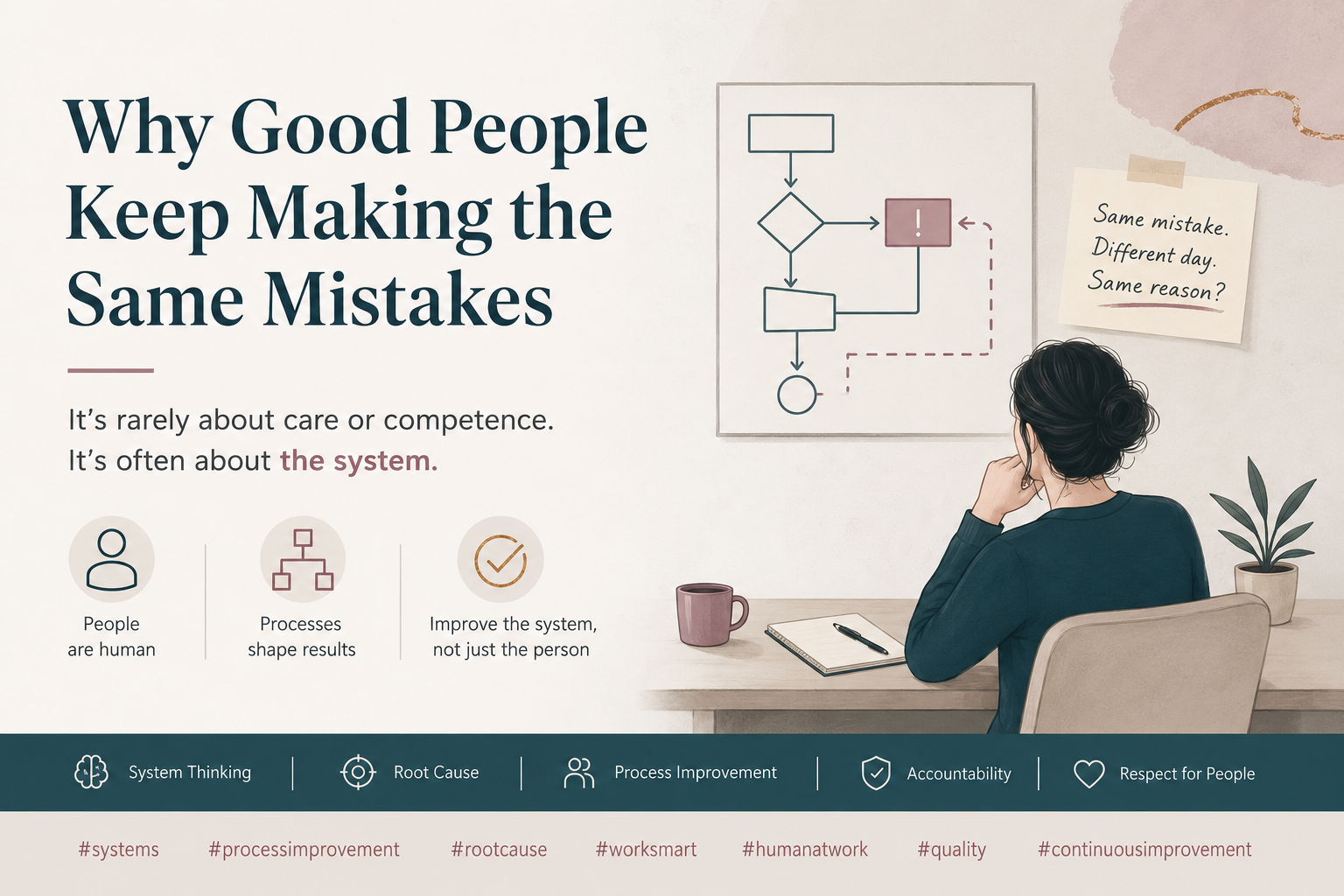
This is where root cause analysis becomes useful. It does not mean that every mistake is caused by a bad process. People still have responsibility for their actions. The point is to understand what actually happened before deciding what needs to change.
Someone who ignores a clear rule is different from someone who misses a rule that is hard to see. A new employee who needs more training is different from five experienced employees making the same error. If mistakes happen more often during busy periods or after a certain handover, that is useful information too.
Calling all these situations “human error” does not help us understand the problem.
A better question is simple: What made this mistake easy to make?
The answer may lead to a very small change. A clearer field name. A warning in the system. One less manual step. A simple checklist. A better handover. A procedure that people can actually use while doing the work. These changes do more than remind one person to be careful. They make the work safer for everyone who does the same task.
Good processes do not assume that people will never forget, get distracted, or make a wrong decision. They take normal human limits into account.
When good people keep making the same mistake, asking them to try harder may improve things for a short time. Finding out why the mistake keeps returning gives us a much better chance of stopping it.