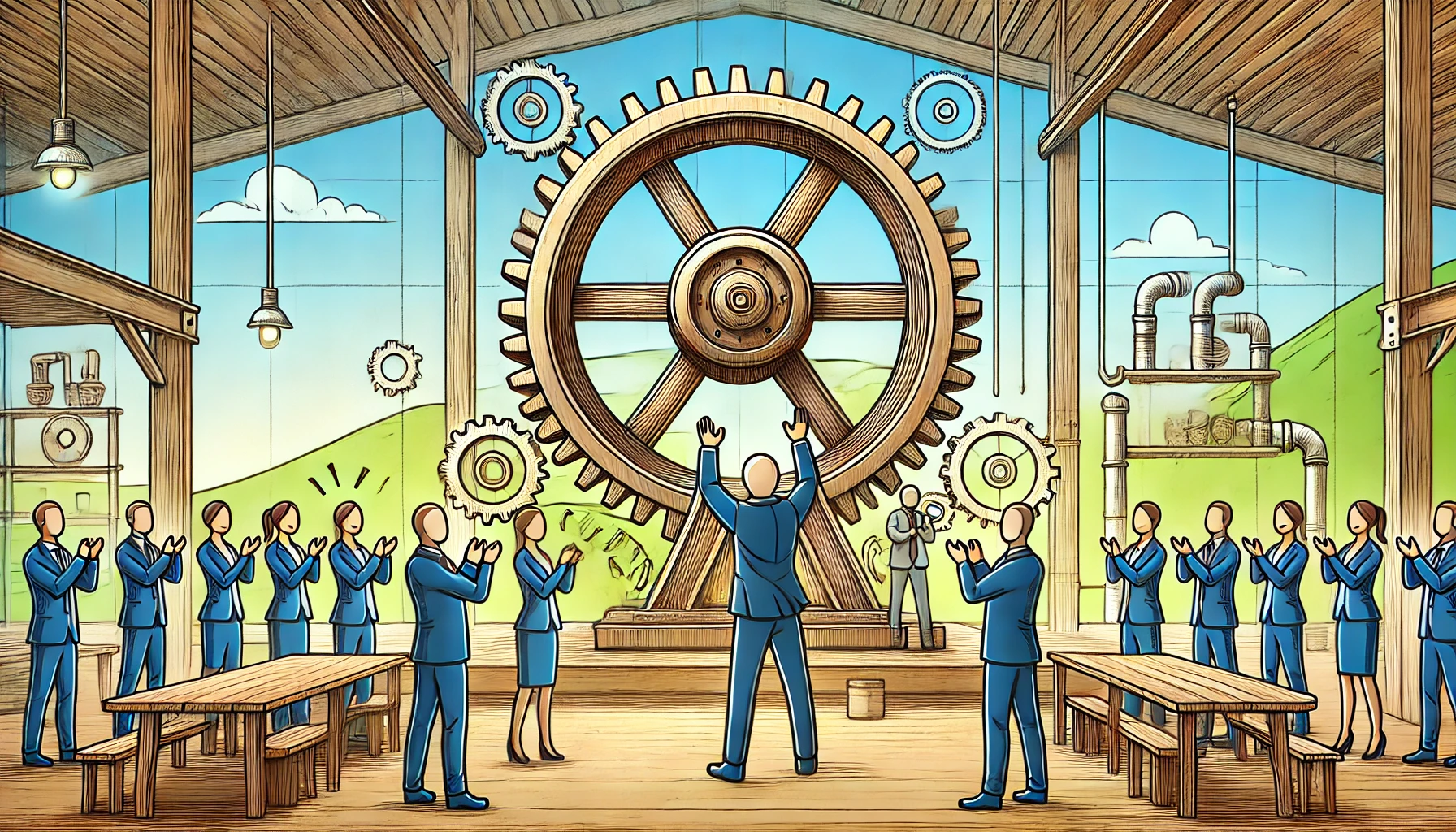
In the corporate world, the fear of giving the wrong answer can significantly stifle creativity and hinder progress. This fear often originates from a company culture that penalizes mistakes rather than viewing them as opportunities for learning and innovation. When employees, from entry-level to management, are afraid to make or admit mistakes, the entire organization suffers from a lack of innovative thinking and risk-taking. This post explores how this fear impacts the workplace and offers strategies for managers and leaders to cultivate a more forgiving and creative environment.
Understanding the Impact of Fear
The fear of the wrong answer is not just about making mistakes; it’s about the repercussions that employees fear they will face if they do not perform perfectly. In many organizations, the pressure to always be right inhibits employees’ willingness to experiment with new ideas, ask questions, or propose unconventional solutions. This fear can lead to several negative outcomes:
- Reduced Innovation: Employees may stick to tried and tested methods rather than exploring innovative solutions that could lead to breakthroughs.
- Decreased Engagement: Constant pressure to avoid mistakes can demoralize employees, leading to decreased job satisfaction and engagement.
- Poor Decision-Making: In a high-pressure environment, the decision-making process can be rushed or biased towards conservative choices that are less likely to fail rather than the best options.
The Role of Leadership in Managing Fear
Leaders and managers play a crucial role in shaping the organization’s approach to mistakes and failure. Their attitude towards errors significantly influences the team’s willingness to take risks and be creative. Here’s how leadership can actively combat the fear of the wrong answer:
1. Model the Behavior You Want to See
Leaders should lead by example by openly discussing their own mistakes and the lessons learned from them. By doing so, they send a clear message that it is safe to admit and learn from errors.
- Action Step: Share personal stories of failure in team meetings or company newsletters to normalize the conversation around mistakes.
2. Encourage a Learning Environment
Shift the focus from blame to learning by encouraging employees to analyze their mistakes and understand what they can do differently next time. This approach promotes continuous improvement and reduces fear.
- Action Step: Implement regular ‘retrospective’ meetings where teams can discuss what worked, what didn’t, and how processes can be improved without fear of blame.
3. Foster Open Communication
Create an environment where employees feel safe expressing their ideas, concerns, and questions. Open communication channels can help alleviate fears as employees feel supported by their peers and supervisors.
- Action Step: Establish open office hours or regular one-on-one check-ins where employees can speak freely about any subject.
4. Celebrate Experimentation and Reward Creative Risk-Taking
Recognize and reward employees who take calculated risks, even if their initiatives do not always succeed. This not only boosts morale but also encourages a culture of innovation.
- Action Step: Create an ‘Innovator of the Month’ award that celebrates employees who show exceptional creativity and bravery in their projects.
5. Provide Resources and Training
Equip employees with the tools, resources, and training they need to feel confident in their roles. When employees feel prepared and supported, they are less likely to fear making mistakes.
- Action Step: Invest in workshops and training programs that enhance employees’ skills and knowledge, making them more confident in their abilities to contribute effectively.
Conclusion
The path to a fearless and innovative corporate culture is paved with the mistakes we learn from, not the successes that repeat what we already know. For organizations aiming to stay competitive and innovative, it is essential to address the fear of the wrong answer head-on. Leaders must actively work to create an environment where employees are encouraged to explore, experiment, and embrace the learning opportunities that mistakes provide.
By implementing these strategies, companies can transform fear of the wrong answer into a powerful tool for learning and innovation. This cultural shift can lead to significant improvements in creativity, productivity, and employee engagement, driving the organization forward in a positive and sustainable way.

