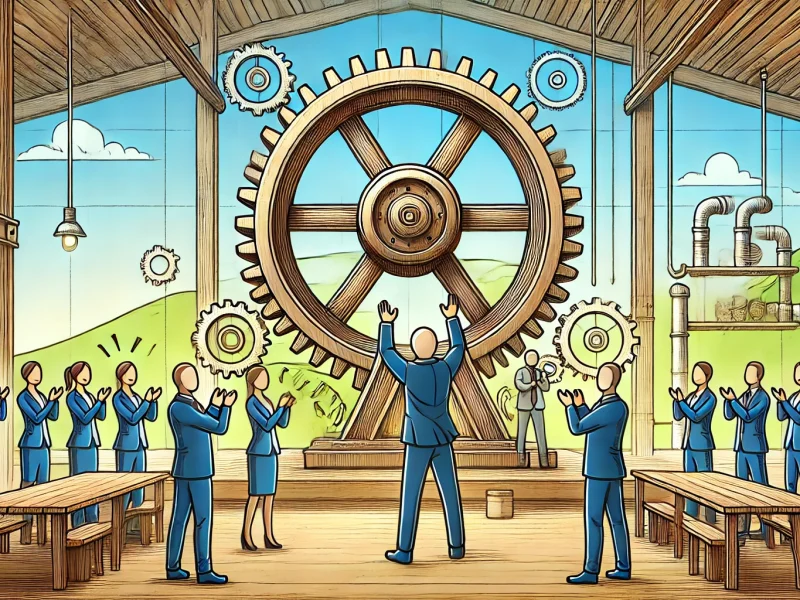
We live in an era of rapid change, where the pace of technological advancements, market dynamics, and societal shifts continuously reshape our personal and professional lives. This constant evolution affects everything from how we work and live to how businesses operate and compete. In such an environment, the ability to adapt to change is not just an advantage—it’s a necessity. Yet, managing change effectively is often easier said than done. This is where the concept of change management comes into play.
Change management is the structured approach to preparing, supporting, and helping individuals, teams, and organizations make successful transitions. It’s about understanding the different forms change can take, anticipating the challenges that come with it, and implementing strategies that facilitate smooth and effective adaptation.
In this blog post, we will explore what change management is, why it’s essential in today’s fast-paced world, and how it can be applied across various aspects of life and business. We’ll also look at the different types of changes that organizations and individuals may face and the strategies that can be used to manage these changes effectively.
What is Change Management?
Change management is a systematic approach designed to help individuals, teams, and organizations transition from a current state to a desired future state. It involves the processes, tools, and techniques that enable change to be implemented smoothly and successfully, minimizing disruption and resistance while maximizing the potential benefits of the change.
The primary goal of change management is to ensure that the change is embraced, adopted, and sustained by those affected by it. Whether it’s a small procedural adjustment or a large-scale organizational transformation, change management helps to guide the process from inception to completion, ensuring that the change achieves its intended outcomes.
Why is Change Management Important?
In today’s rapidly changing world, the ability to manage change effectively is critical for both individuals and organizations. Here are some reasons why change management is essential:
- Adapting to Market Changes: Markets are constantly evolving, driven by technological advancements, shifting consumer preferences, and competitive pressures. Organizations that can quickly adapt to these changes are more likely to thrive, while those that resist change may struggle to survive.
- Improving Organizational Agility: Change management helps organizations become more agile by fostering a culture that embraces change rather than fears it. This agility allows businesses to respond quickly to new opportunities and challenges.
- Enhancing Employee Engagement: When change is managed well, employees are more likely to feel engaged and motivated. They understand the reasons for the change, see its benefits, and feel supported throughout the transition.
- Reducing Resistance to Change: One of the biggest challenges in any change initiative is resistance from those affected by the change. Change management provides strategies for addressing and overcoming resistance, ensuring that the transition is as smooth as possible.
- Maximizing the Benefits of Change: Effective change management ensures that the benefits of the change are realized. By carefully planning and managing the transition, organizations can achieve the desired outcomes and avoid common pitfalls.
Types of Change: Understanding the Different Forms
Change can take many forms, each with its own unique challenges and implications. Understanding the different types of change is essential for developing effective change management strategies. Here are some of the most common forms of change:
1. Internal Change
Internal change refers to changes that occur within an organization’s structure, culture, or operations. These changes might be driven by internal factors such as leadership shifts, organizational restructuring, or changes in company policies.
- Example: A company might undergo internal change by reorganizing its departments to improve efficiency and collaboration. This could involve changing reporting lines, roles, and responsibilities.
2. Personnel Changes
Personnel changes involve changes in the workforce, such as hiring new employees, layoffs, promotions, or changes in leadership. These changes can have a significant impact on the organization’s culture and operations.
- Example: A company might experience personnel change when a key executive retires, leading to a shift in leadership and potentially a change in the company’s strategic direction.
3. Technological Change
Technological change involves the adoption of new technologies, systems, or processes. This type of change is increasingly common as businesses seek to stay competitive in a digital world.
- Example: Implementing a new software system across the organization is a technological change that requires careful planning, training, and support to ensure successful adoption.
4. Process Change
Process change refers to changes in the way work is done within an organization. This might involve streamlining workflows, adopting new methodologies, or changing standard operating procedures.
- Example: A company might implement process change by adopting Lean Six Sigma methodologies to improve efficiency and reduce waste in its manufacturing processes.
5. Regulatory Change
Regulatory change occurs when new laws, regulations, or industry standards are introduced. Organizations must adapt to these changes to remain compliant and avoid legal or financial penalties.
- Example: A financial institution might need to adapt to new regulatory requirements related to data privacy, requiring changes in how customer information is collected, stored, and managed.
The Challenges of Change Management
Managing change is rarely straightforward, and there are several challenges that organizations and individuals may face during the process. Understanding these challenges is the first step in overcoming them:
- Resistance to Change: People naturally resist change, especially if they feel uncertain or threatened by it. Resistance can manifest in various ways, from passive non-compliance to active opposition.
- Communication Breakdown: Poor communication is one of the most common reasons why change initiatives fail. If employees are not informed about the reasons for the change, the benefits it will bring, and how it will impact them, they are more likely to resist.
- Lack of Support: Without the support of leadership and key stakeholders, change initiatives are unlikely to succeed. It’s essential to have buy-in from the top down and to ensure that everyone involved understands their role in the process.
- Insufficient Planning: Change management requires careful planning and consideration of all the factors that could impact the success of the initiative. Rushing into change without a clear plan can lead to confusion, mistakes, and setbacks.
- Cultural Barriers: Organizational culture plays a significant role in how change is perceived and implemented. If the culture is resistant to change, it can be challenging to get employees on board with new initiatives.
Strategies for Effective Change Management
Despite the challenges, there are several strategies that organizations can use to manage change effectively. Here are some key strategies for successful change management:
1. Develop a Clear Vision and Plan
The first step in any change initiative is to develop a clear vision of what the change will achieve and how it will be implemented. This vision should be communicated to all stakeholders to ensure that everyone understands the purpose and goals of the change.
- Action: Create a detailed change management plan that outlines the steps needed to achieve the desired outcomes. This plan should include timelines, resources, and responsibilities.
2. Engage and Involve Employees
Employee involvement is critical to the success of any change initiative. Engage employees early in the process and involve them in decision-making wherever possible. This helps to build ownership and reduce resistance.
- Action: Organize workshops, focus groups, or surveys to gather input from employees. Use this feedback to shape the change process and address any concerns.
3. Communicate Effectively
Effective communication is essential for managing change. Keep employees informed about the progress of the change, the benefits it will bring, and how it will impact them. Be transparent and open to feedback.
- Action: Develop a communication plan that includes regular updates, Q&A sessions, and channels for employees to voice their concerns.
4. Provide Training and Support
Change often requires new skills, knowledge, or behaviors. Provide training and support to help employees adapt to the change and ensure they have the resources they need to succeed.
- Action: Offer training programs, workshops, or mentoring to help employees develop the skills needed for the change. Provide ongoing support to address any challenges that arise.
5. Monitor and Adjust
Change management is an ongoing process, and it’s important to monitor progress and make adjustments as needed. Regularly assess the impact of the change and be prepared to adapt your approach if necessary.
- Action: Establish metrics to measure the success of the change initiative. Use these metrics to identify areas where adjustments are needed and to track progress over time.
6. Foster a Culture of Change
Creating a culture that embraces change is key to long-term success. Encourage a mindset of continuous improvement and innovation, where employees are open to new ideas and approaches.
- Action: Recognize and reward employees who embrace change and contribute to the success of change initiatives. Celebrate successes and learn from failures to build a culture of resilience and adaptability.
Conclusion: Embracing Change in a Rapidly Evolving World
Change is inevitable, and in today’s fast-paced world, the ability to manage change effectively is more important than ever. Whether it’s adapting to new technologies, navigating regulatory changes, or restructuring an organization, change management provides the tools and strategies needed to ensure that transitions are smooth and successful.
By understanding the different types of change, anticipating the challenges, and applying effective change management strategies, organizations and individuals can not only survive but thrive in an ever-changing environment. Embracing change with a positive mindset and a well-planned approach allows us to harness the opportunities that change brings and to build a more resilient and adaptable future.
Change is not just about reacting to the world around us; it’s about proactively shaping our own paths in response to the dynamic landscape we live in. With the right approach to change management, we can navigate these changes with confidence and success.